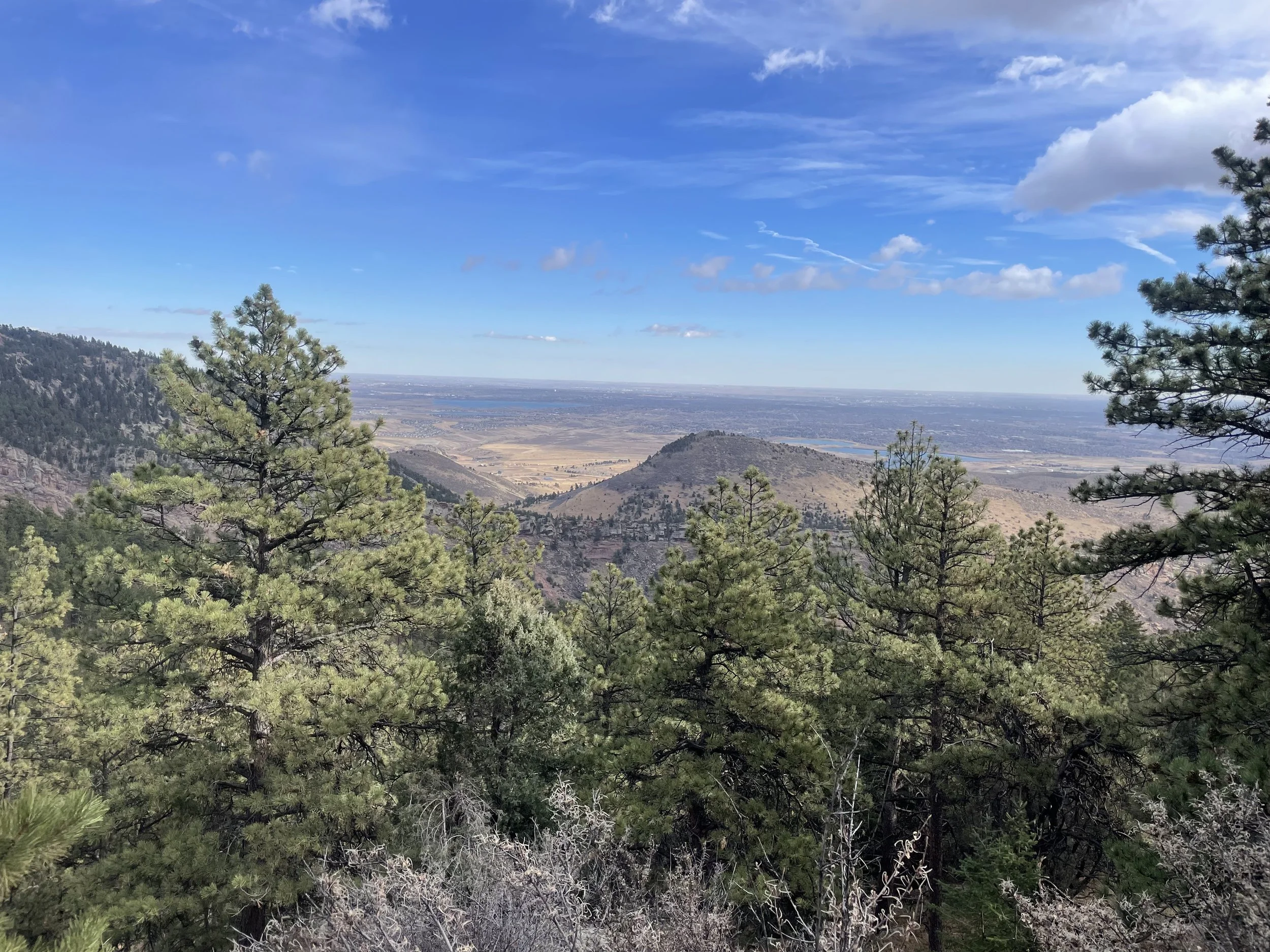
I attended a conference this past summer for women interested in solo backpacking. It was incredibly encouraging from a safety perspective for a lot of reasons:
Animal attacks are less common than we all imagine
Violence against women primarily happens in the front country (by a known assailant) and is extremely rare in the backcountry, and
Risk-related injuries are less likely to happen to women. We tend to underestimate our abilities while men overestimate their abilities (most SAR [Search and Rescue] services are needed by men [69% in RMNP, in this article from UT, 2/3 of SAR subjects were men]).
But giving information on the trail, especially as a solo hiker/backpacker/adventurer, can always feel weird. And most women or feminine people, people of color, or disabled people are always on high alert, so they’ll especially know what I’m referring to, but these tips are for everyone.
Assume the person asking has no ill intent, but:
Do not answer the following questions:
Hi! Where are you headed?
WHY? You are letting the person know your route, and where you are possibly ending up (if camping) or exiting the trail (if leaving that day).Where’d you park?
WHY? Similar to above, you are letting the person know where you are exiting the trail.Wow, are you out here alone?
WHY? For a lot of us, even reading this question is terrifying. It’s because if we divulge we’re alone, the person who asked now knows we have no help or backup should something go wrong.I’m camping up there, where are you camping?
WHY? Again, where you’ll be located, especially while asleep, is not information a stranger should have. It should be in your safety plan.Do you have cell service out here? My phone isn’t getting any.
WHY? Sounds like an innocent question, and often is. But you’re telling the person you have no way of communicating with the front country if you say “no.”
All of this is great information, but it’s also extremely awkward to say “I don’t want to answer that,” or “that’s none of your business.” It’s aggressive, and for many of us, we’ve been socialized to de-escalate a situation that isn’t even escalated, because we never know (#yesallmen). If it is dangerous, we certainly don’t want to exacerbate it by being confrontational. So how can we answer these questions politely while setting boundaries and keeping private information private?
Some sample answers that hold boundaries while remaining calm and friendly:
Hi! Where are you headed?
- “Up that way!” with a big dumb smile on your face like you’re just so excited, you don’t even realize they mean your destination.
- “Not entirely sure, seeing how my legs feel.”
- “Just out exploring. It’s beautiful out here!”
- “Eh, what about you?” Honestly, turning a question around without answering it at all often works. If they truly mean no harm, they’ll just tell you about their own adventure. That said, I would only do this if you’re taking a break and not on the move.Where’d you park?
– You can give them an incorrect trailhead. This is why it is important to know the map ahead of time per a previous journal entry on safety.
- “A bit back there.”
- “The main lot.”Wow, are you out here alone?
- “I’m catching up with my partner.”
- “I’m just a little bit ahead of my partner.”
- “Not really.” (This one is just confusing, but often trails have enough people on them that even if you’re solo, you’re not “alone.”)I’m camping up there, where are you camping?
- “I’ll know when I find the right spot.” This doesn’t work if you’re in a permitted area.
- “Down that way some.” (But don’t be down that way some, but down that way, way more, or be down a different way entirely).Do you have cell service out here? My phone isn’t getting any.
- “It’s been in and out.” This doesn’t work in some places where there is zero cell coverage. Not even sure why someone would ask, though.
- “I haven’t been keeping an eye on it.”
- It COULD be the case that they need help, and that’s why they’re asking. Or maybe they got separated from their group. If you think this may be the case, you could ask, but if they say yes, and don’t actually need the assistance, you’re setting yourself up for further conversation that could lead to risk. Also, I would be suspicious if they asked about your phone before asking for help. Ie, if they were hurt, they’d more likely say, “I’m hurt, does your phone work?” Not “does your phone work?” <wait for answer> “I’m hurt.”
A great physical signal of “you don’t get to take my time,” is continuing to walk (if you’re going in opposite directions). If you stop, they expect your attention. If a hiker means you no harm, they will 100% understand a simple smile or a “hi,” without either party stopping. It’s courteous enough without being disruptive to either party. So when I’m crossing paths with another person, I just look up into their face as we get close (and I try to remember details for any number of reasons*), smile–or at most– say “hi,” and never change my pace. It would then be socially weird for them to ask you where you parked if you’ve continued to walk and are now moving away from them. If they ask something minor, I will turn around, try to answer as briskly as possible while continuing to walk backwards so they understand I’m not interested in stopping to chat.
I also end whatever I say with “enjoy your hike!” so they know I’m done talking. I turn back around and keep going, while checking back every so often to make sure they’ve continued moving away from me.
Sometimes, though, you might have stopped for a break, you might have your pack off, maybe your shoes too. You might be sitting down. In these instances, you’re more stuck because you’re not in motion. I still answer like above, but if they’re not moving on, I try to ask them questions. If they start talking about themselves or their adventure, I figure they’re harmless. If they continue to push for information about me or my trip (which has not happened in the backcountry to me personally), I think I would just slowly start getting my gear ready to go again and say, my break is over, have a great hike. If they had been moving in the opposite direction as me, there would be NO reason for them to being following me. If they had caught up with me while I was on my break, and began following me soon after I got on my way, or just started tagging along, I think my move would be (if I felt uncomfortable with them) to pretend I needed to adjust my shoe/sock and say, “I need to stop, but enjoy your hike!” Again, this is a signal that I don’t want them to wait. If they insist on waiting, I’d get more direct. “No thank you, I enjoy hiking without conversation.” If they insist still on walking with me and not talking, I think I’d turn around. They either have shitty intentions or just can’t take a social queue, and I’m not willing to take the risk.
If you come across a solo hiker/backpacker:
It’s simple to ease someone’s discomfort when they see you (yes you) on the trail. Here are some simple steps:
Just say hi, or smile, and keep moving. THAT’S IT.
Remember, if someone is hiking or backpacking alone, it’s because they didn’t want to have a conversation. Try to remember it isn’t just about you in that moment. It’s also about them.
If you’re an imposing human (this can simply mean being a man), give women or femme hikers more space than seems necessary. It might seem excessive to you, but you don’t know their past experiences.
If you do chat for a bit with someone and it seems like they want to be on their way, let them go. If you’re going in the same direction, give them many minutes of head start. Even if you’re hiking more quickly, it’s respectful and they won’t feel followed.
If you’re going to pass someone, give them ample time and distance to know your presence. I usually call out “on your left.” I give maybe 20–30’. When I pass, I usually just say “Enjoy!”
Don’t be a creep. And you know what this means. Yeah you. Here’s the thing. You may go on a hike thinking, yeahhhhh, I’mma find a hookup. That’s really lame. First of all, you staanky. Second of all, if someone is hiking alone, They’ve already decided they WANT TO BE ALONE. Respect that. If they’re hiking with anyone else, they’ve already decided that’s who they want to be with. You weren’t included. If you had spent some time talking and there were vibes. Leave the vibes to vibe in a memory. No one owes you anything.
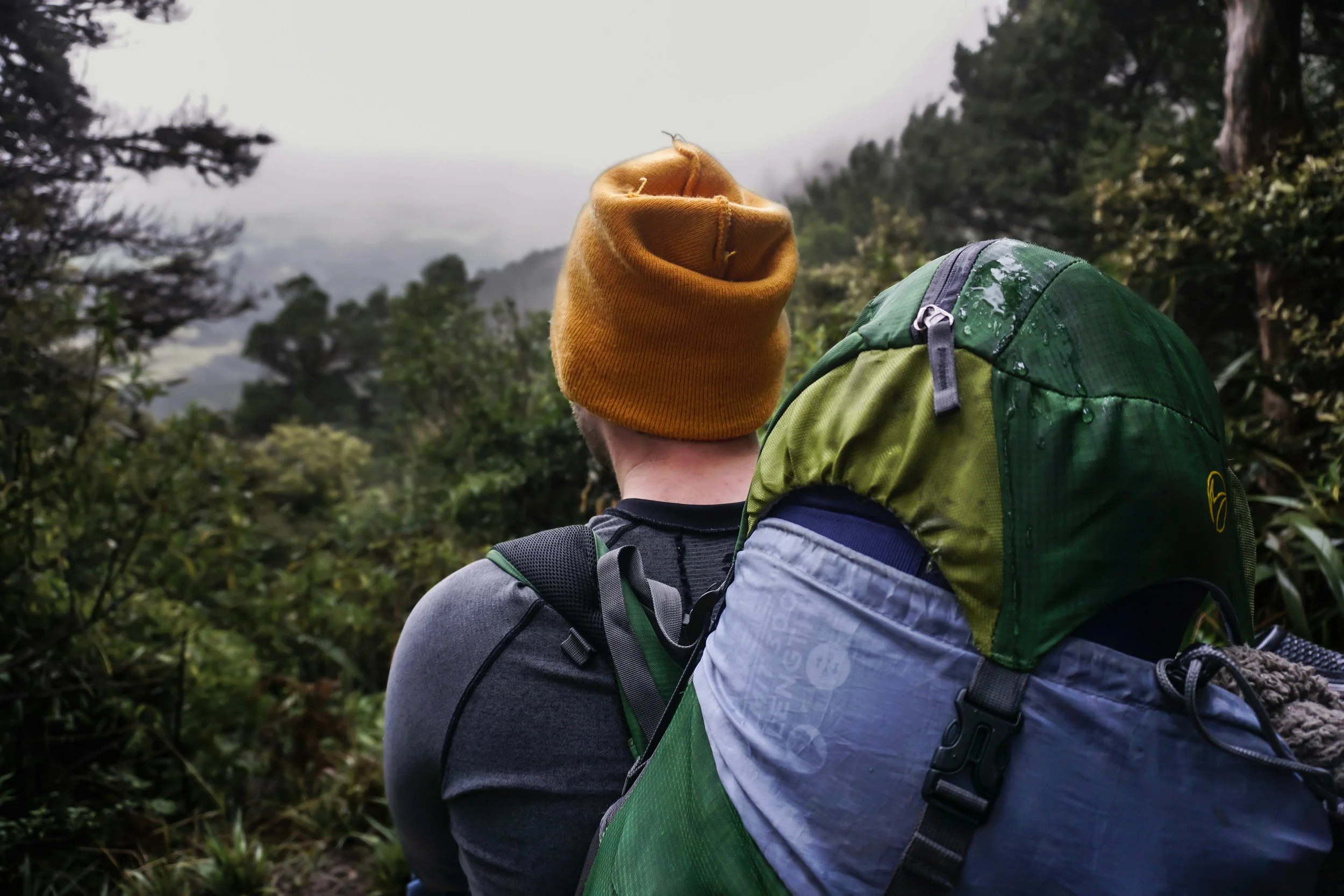
*Reasons to remember someone’s face/gear/outfit/etc.:
If you are approached by a ranger who asks if you’ve seen anyone on the trail (if this happens, don’t necessarily panic, they might be asking because inclement weather is moving in, or they’re hiking without a permit).
They have been separated from their hiking party and you can describe them.
If you were going in opposite directions, but see them again later, this could raise concerns (they turned around).
What are some of your ideas and experiences?